Look Who Moved into the Neighborhood
Data centers are moving in and destroying our communities
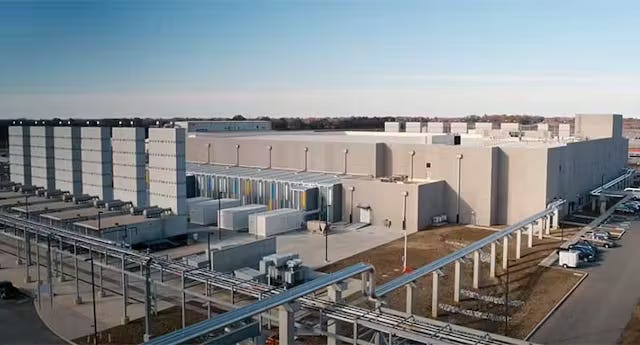

South Memphis is in danger of being drained of their resources. But the real threat isn't just Elon Musk's xAI data center. It's the pattern of secrecy and resource exploitation that's being replicated nationwide.
Elon Musk opened a massive supercomputer data center in Memphis in late 2024. The community is feeling blindsided by the opening of the center and the documented air quality violations it has created. Along with air pollution, the overuse of resources, and lack of transparency have rallied the public against the xAI center. City officials have kept the public in the dark.
Memphis officials signed an NDA with xAI as part of the agreement. Yes, government officials can sign an NDA with company to not disclose details to the public. This leaves the public in the dark about the exact details the city made with xAI and what plans the future holds for xAI in Memphis.
The mayor of Memphis Paul Young is a strong defender of the xAI data centers. But Young's defense crumbled when the Southern Environmental Law Center released thermal photographs showing xAI operating 33 diesel generators. That is more than double their permitted 15, directly violating city regulations and contributing to Memphis's air pollution crisis.

Memphis isn't unique. Across the country, data centers are following the same playbook of secrecy and resource exploitation. Virginia shows where this pattern leads when left unchecked.
The state of Virginia is known as the data center capital of the world. The state is home to 35 percent of the hyper-scaled data centers in the nation with a whopping 300 centers in total. All that growth in data centers has left Dominion Energy projecting an energy increase of 6,000 MW requiring new methane gas power plants, putting a strain on northern Virginia residents who face higher energy costs and increased pollution.

The pollution from xAI's Memphis facility is likely far worse than the public knows. According to a Guardian analysis, major tech companies underreport their data center emissions by 662%, meaning the real pollution is over seven times higher than officially claimed. Meta's data centers, for example, actually produced 3.8 million metric tons of CO2 in 2022 despite officially reporting just 273 metric tons.
This massive gap comes from creative accounting that lets companies claim carbon neutrality while their facilities pump out pollution. With AI operations requiring nearly 10 times more electricity than typical computer tasks, Memphis residents are breathing the real cost of pollution that xAI's accounting tricks hide from view.
The resource drain extends far beyond electricity and air quality. Data centers are quietly siphoning massive amounts of water from communities across the nation. A typical mid-sized facility consumes 300,000 gallons of water daily, enough to supply 1,000 American households, yet operates with minimal public oversight or disclosure.
This water disappears into cooling towers, leaving behind salty wastewater that local utilities must treat at taxpayer expense. In water-stressed regions like the Southwest, cities like Chandler, Arizona have been forced to pass ordinances limiting new water uses after data center expansion threatened local supplies. About 20% of U.S. data centers already operate in watersheds under drought stress, creating a dangerous competition between corporate computing needs and community water security.
Tech companies like Google and Meta promise to "replenish" more water than they consume by 2030, but these vague commitments offer little immediate relief to communities watching their aquifers drain in real-time.

Memphis isn't just facing a local environmental crisis. It's getting a preview of America's digital future if communities don't demand transparency now. From Virginia's energy grid strain to Arizona's water battles, the pattern is clear: tech companies arrive with promises of economic growth, then operate behind NDAs while communities bear the environmental costs.
The 662% gap between reported and actual emissions shows how corporate accounting tricks hide the real price residents pay in polluted air and depleted resources. Without action to break this cycle of secrecy, every American community risks becoming the next Memphis, blindsided by an industry that privatizes profits while socializing environmental damage.
The question isn't whether data centers will keep expanding. It's whether communities will have any say in how that expansion affects their air, water, and future.
Stay woke,
Loc
